
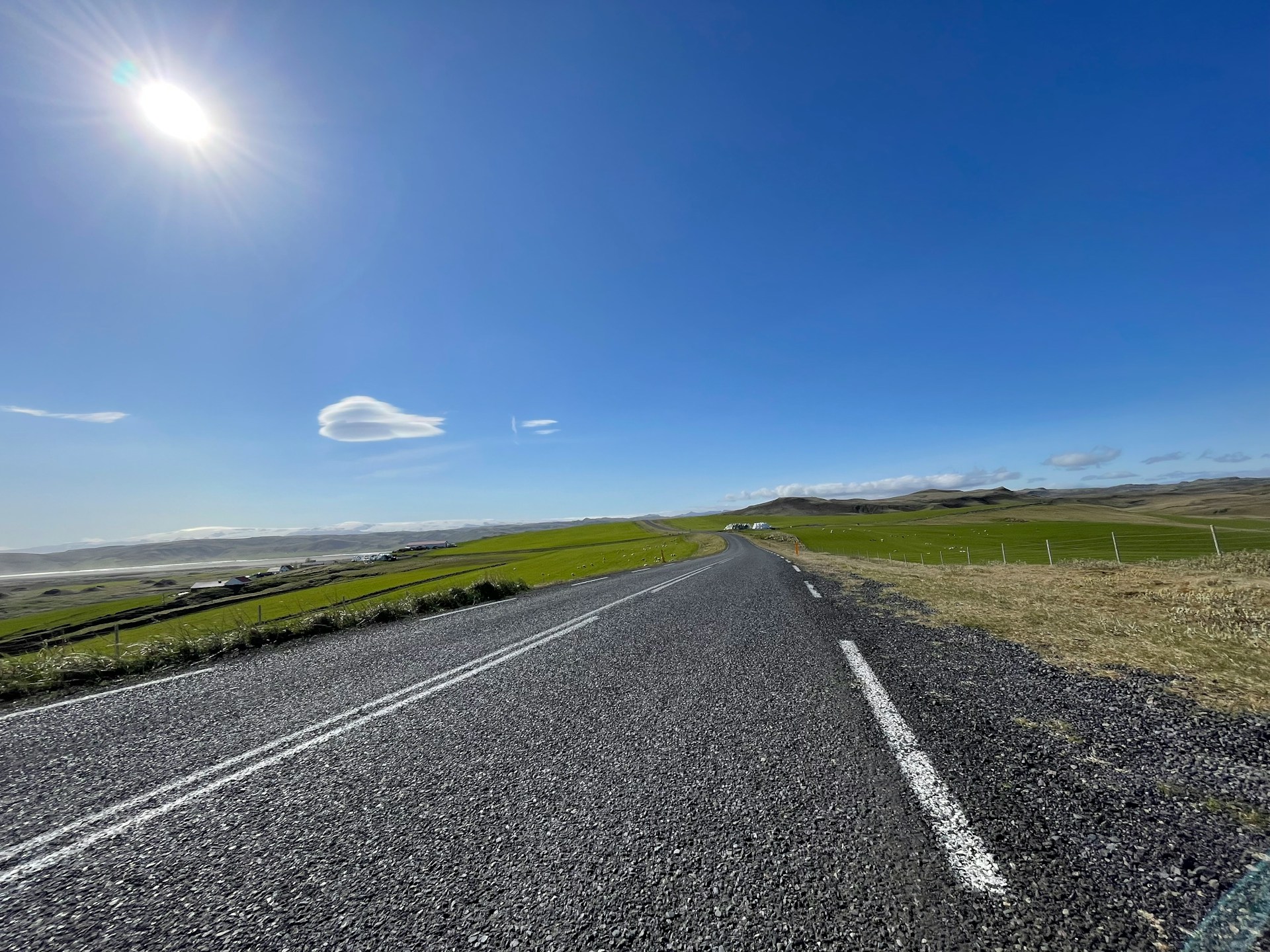
Humidity in southern Illinois climbs fast in June. Pavement holds heat into the evening, the sun stays high until almost nine, and a 6 a.m. easy run can still feel like a sauna by the time you finish. The right summer running gear is what lets you keep training instead of cutting workouts short or skipping them altogether.
Summer running gear questions are the most common ones we hear at the store from May through August. People want to know what to wear, what to carry, and what actually helps when the heat index hits triple digits. The answer is not about buying everything new. It is about a handful of upgrades in the right categories, picked to match how your body sweats, swells, and burns under a high sun.
Here is the gear that matters once temperatures spike, broken down by category so you can spot the gaps in what you already own.
Start with the Right Shoes
Your winter trainer is probably not the right shoe for July. Heavier, plusher uppers trap heat against your foot, and dark colorways soak up sun the same way a black car does in a parking lot. After a few miles, your shoe turns into an oven and your foot pays for it.
Look for shoes with breathable mesh uppers, ideally engineered or single-layer monomesh. RunRepeat’s breathability guide notes that mesh tends to ventilate better than knit, and that lighter colorways dramatically reduce heat absorption.
Fit also shifts in summer. Feet swell from heat and longer mileage, so you want roughly a thumbnail’s width between your longest toe and the front of the shoe. If your laces feel tight by mile three, your shoe is probably half a size too small for the season.
Not sure where you stand? Our guide to choosing the right running shoes walks through the basics, and a quick gait check at the store will catch the rest.
Choose Apparel That Wicks Sweat
Cotton is the enemy of summer running. It absorbs sweat, holds it against your skin, and gets heavier with every mile. By the time you finish, your shirt feels like a wet rag and chafing has already started under the arms and along the waistband.
Technical fabrics, polyester blends, nylon, or even thin merino wool, pull sweat away from your body so it can evaporate. That evaporation is how your skin cools itself. Without it, your core temperature rises faster and your pace falls apart.
A few quick rules for hot-weather apparel:
- Light colors reflect heat. Dark navy and black absorb it.
- Looser cuts let air move across your skin. Compression has its place, but not on a 95-degree day.
- Mesh ventilation panels along the back and sides are worth seeking out.
- For women, a sports bra in moisture-wicking fabric matters as much as the shirt over it.

Don’t Skip Sun Protection
Sunscreen alone is not a summer running plan. It sweats off, you forget to reapply, and you finish a long run with a sunburn through your shirt. The Skin Cancer Foundation recommends UPF-rated clothing as a more reliable layer of protection, and notes that UPF 50+ blocks roughly 98 percent of UV radiation.
For runners, that usually means a UPF sun hoodie or arm sleeves rather than a heavy long-sleeve shirt. Sleeves cover the part of you that gets the most direct sun while leaving your torso ventilated. A light visor or hat shades your face, and good polarized sunglasses save you from squinting through the second half of every run.
Goodr is the brand we hand to most customers when they ask about sunglasses. They stay put, they do not bounce, and they cost a fraction of the high-end sport options. Pair them with a broad-spectrum, water-resistant SPF 30 or higher on any exposed skin and you are covered.
Carry Water, Even on Short Runs
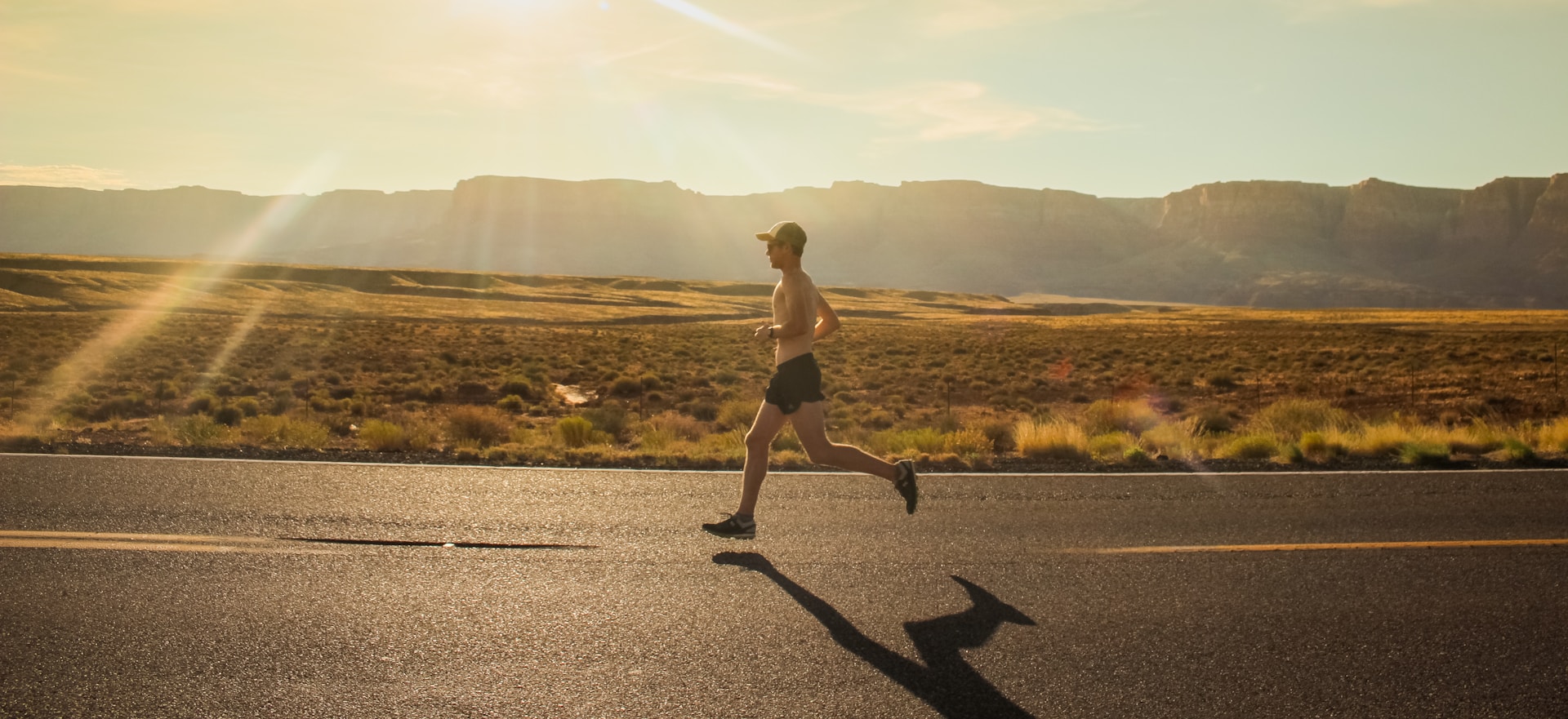
If your summer run is longer than thirty minutes, plan to drink during it. Once you are sweating heavily, water you took in two hours before the run is already gone. According to McMillan Running, runners in hot weather should aim for 7 to 10 ounces every 10 to 20 minutes during a workout.
You have three solid carry options. A handheld bottle works for runs up to about an hour. A waist belt with one or two small flasks frees up your hands for longer efforts. A vest with soft front-pocket flasks is the move for anything over ninety minutes, especially on routes without water stops.
Whichever you choose, practice with it before race day. We dive deeper into fluid timing, electrolytes, and warning signs of dehydration in our hydration strategies for runners guide.
Socks Make or Break a Hot Run
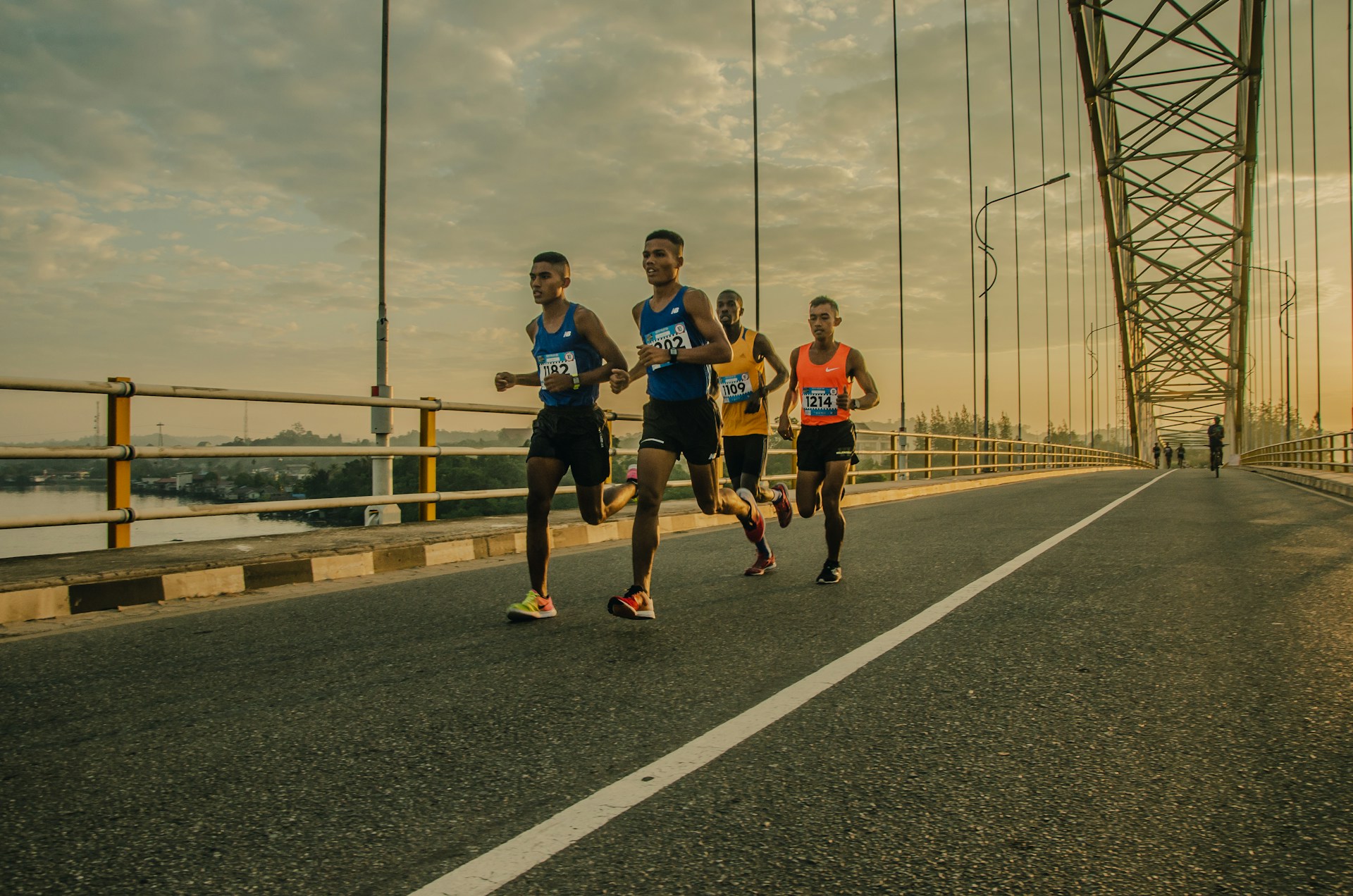
Blisters are almost always a sock problem, not a shoe problem. Sweat-soaked cotton socks bunch, slide, and rub raw spots into the side of your foot before you even hit the turnaround. The fix is technical fabric and a smart fit.
Brands like Feetures and Balega build socks with targeted zones of compression around the arch and heel, anti-blister tabs at the ankle, and seamless toe construction that prevents hot spots. They cost more than a multi-pack of cotton tube socks, and they last longer because they hold their shape.
For summer specifically, low-cut or no-show heights breathe better than crew socks, and a thinner cushion keeps your foot cooler than a max-cushion winter sock.
Recover With the Right Footwear
What you put on after the run matters too. Standing in the kitchen barefoot or sliding into flat flip-flops after twelve miles is a recipe for sore arches the next morning. Recovery footwear is built to take that pressure off your feet while inflammation comes down.
OOFOS slides are the ones we sell the most of. The foam absorbs impact rather than transferring it back through your heel, and the shaped footbed cradles your arch instead of leaving it flat. Slip them on at the car after a long run, and your feet feel different by the time you get home.
The Most Important Piece of Summer Running Gear
The right gear does not replace the right fit. A breathable shoe that does not match your stride still causes problems. Wicking apparel that bunches in the wrong spots still chafes. The pieces above are categories, not prescriptions, and what works for a casual walker is not the same as what works for someone training for the Belleview Main Street Marathon in September.
Stop into the shop at 3260 Green Mount Crossing Drive and we will run you through a free gait and arch analysis, then point you to the gear that fits the way you actually move. June is the month to get this dialed in, before the summer race calendar gets serious.